National Youth Authority Brings Youth, Stakeholders Together to Shape National Peace and Security Plan
Campaigns Published










Campaigns Unpublished

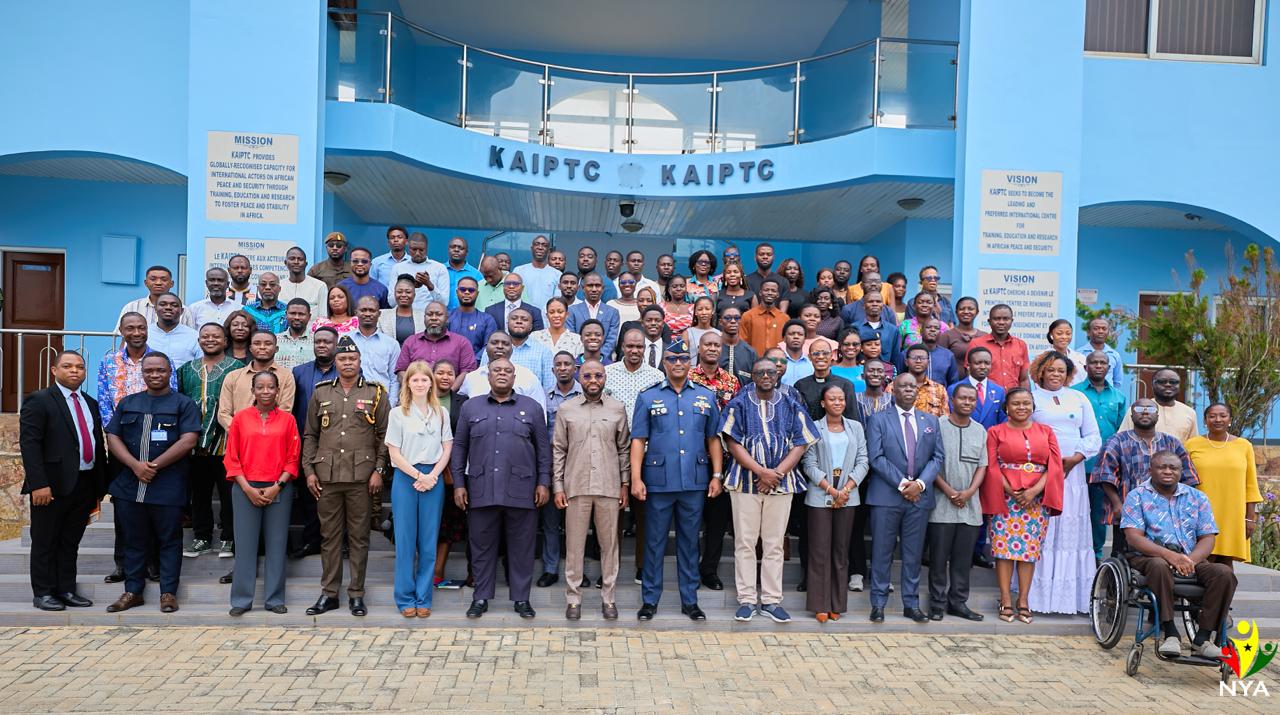
The National Youth Authority NYA has brought together young people and key stakeholders from across the country to contribute to the development of Ghana’s National Action Plan on Youth, Peace and Security.
Speaking at the national consultation, NYA Chief Executive Officer, Mr Osman Abdulai Ayariga Esq, emphasised the need to address issues affecting young people, including youth violence, misinformation and exclusion from decision making, warning that these could threaten national peace and stability.
He called on young people to embrace dialogue, verify information before sharing and actively participate in decisions affecting their communities.
Mr Ayariga reaffirmed government’s commitment to strengthening youth participation in peacebuilding and disclosed that consultations had been held across all 16 regions, alongside an online survey, to gather contributions from young people and stakeholders.
Also addressing participants, Commandant of the Kofi Annan International Peacekeeping Training Centre KAIPTC, Air Vice Marshal David Anetey Akrong, described the development of the National Action Plan as an important step towards strengthening young people’s involvement in conflict prevention and peacebuilding.
He highlighted challenges such as chieftaincy and land disputes, intercommunal tensions, political violence and violent extremism, noting that young people must be recognised not merely as beneficiaries of peace initiatives but as active partners and leaders.
Air Vice Marshal Akrong stressed that the success of the plan would depend on its ability to deliver measurable results through meaningful youth participation, protection, prevention, partnerships and institutional collaboration.
In a goodwill message, the European Union EU Delegation reaffirmed its commitment to supporting Ghana’s Youth, Peace and Security agenda, describing the development of the National Action Plan as an important outcome of collaboration among government institutions and development partners.
The EU Delegation stressed that young people should not only be considered beneficiaries of peacebuilding initiatives but should also be actively involved in shaping policies and decisions that affect their lives. It further cautioned that excluding young people from policy making could deepen social and economic challenges and increase their vulnerability to radicalisation and violent extremism.
Presenting an overview of the Youth, Peace and Security agenda and the National Action Plan development process, Technical Consultant Ms Mawuena called for a shift in how young people are perceived, urging stakeholders to recognise them as agents of peace rather than potential threats to national security.
She identified unemployment, limited economic opportunities, educational gaps, substance abuse and political exclusion as some of the challenges that make young people vulnerable to exploitation and violence.
She disclosed that the nationwide consultations engaged approximately 1,286 participants across all 16 regions, including 894 in youth specific consultations, with women accounting for about 33 per cent of total participants.
The consultant also stressed the need for greater inclusion of young women and stronger youth representation in decision making structures, particularly the National Peace Council.
She emphasised that the success of the National Action Plan would depend not only on its adoption but also on effective implementation and meaningful opportunities for young people to contribute to national peace and security.
- Log in to post comments